The Future of Transportation Management: Trends to Watch
DY
The transportation industry is undergoing a massive transformation, driven by technological advancements, sustainability concerns, and evolving consumer expectations. As we move into the future, transportation management is poised to become more efficient, intelligent, and environmentally friendly. Understanding these trends is crucial for businesses and policymakers alike.
Autonomous Vehicles
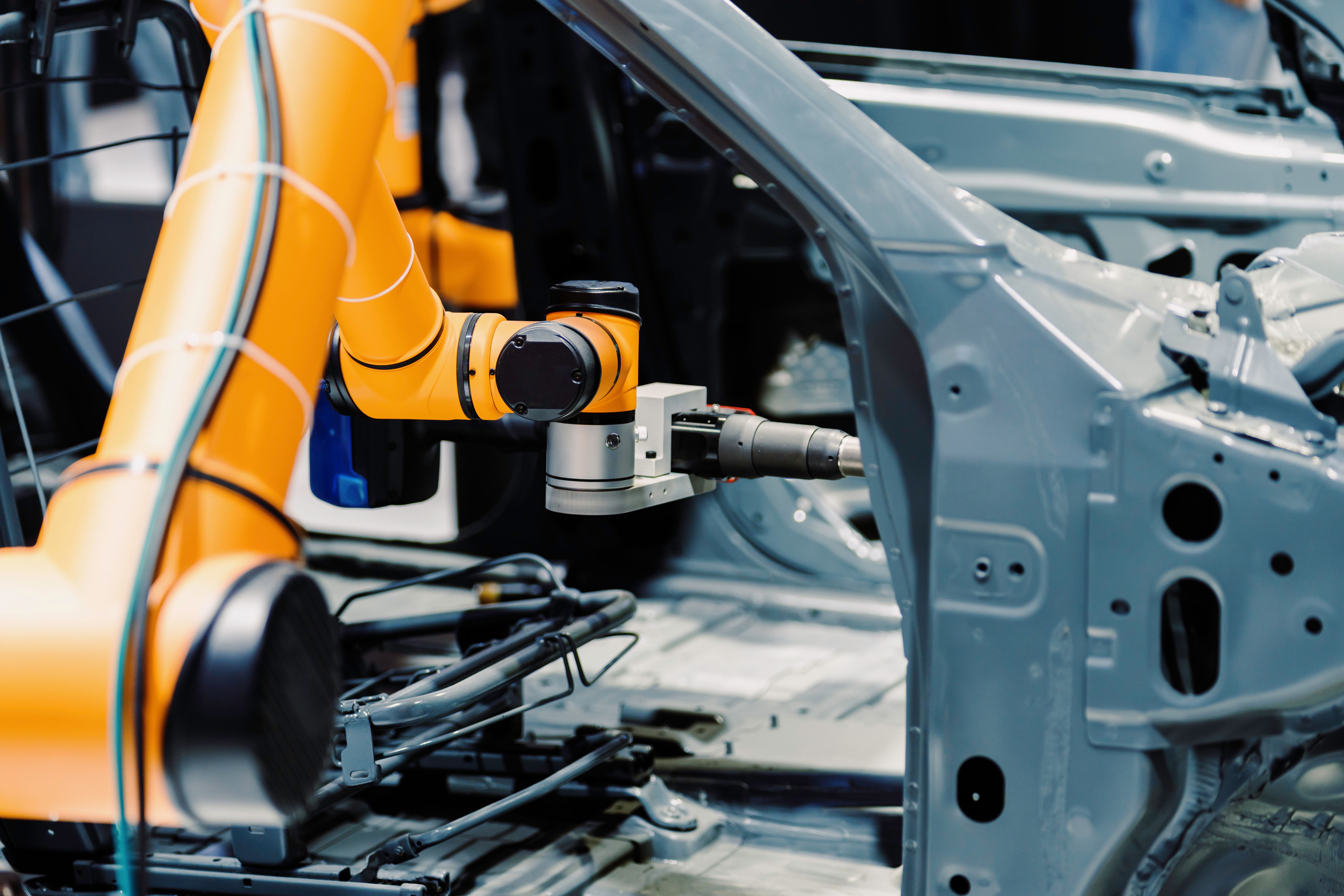
Autonomous vehicles are no longer a distant dream but a burgeoning reality. These self-driving cars and trucks have the potential to revolutionize transportation management by reducing human error, increasing safety, and optimizing traffic flow. Companies investing in autonomous technology are already testing these vehicles in various urban settings.
The impact of autonomous vehicles extends beyond passenger cars. In logistics, autonomous trucks can enhance efficiency by operating around the clock, reducing delivery times, and cutting labor costs. As technology matures, we can expect broader adoption across different sectors.
Challenges and Opportunities
While the promise of autonomous vehicles is enticing, there are challenges to address. Regulatory frameworks need to be established, and public trust must be gained. Moreover, infrastructure improvements are necessary to support widespread use. Despite these obstacles, the opportunities for innovation and growth remain vast.

Electric and Sustainable Transportation
The push for sustainability is reshaping transportation management. Electric vehicles (EVs) are at the forefront, offering a cleaner alternative to traditional fuel-powered cars. With advancements in battery technology and charging infrastructure, EVs are becoming more accessible and practical for everyday use.
Beyond individual vehicles, the trend towards sustainable transportation includes public transit systems, bike-sharing programs, and the development of smart cities. These initiatives aim to reduce carbon emissions and promote eco-friendly urban living.
Government Initiatives and Incentives
Governments worldwide are encouraging the adoption of sustainable transportation through incentives and policies. Tax credits, subsidies, and investments in infrastructure are driving the transition towards greener options. Businesses aligning with these goals can benefit from both financial incentives and enhanced brand reputation.

The Rise of Mobility as a Service (MaaS)
Mobility as a Service (MaaS) is an emerging trend that integrates various transportation services into a single accessible platform. By offering a unified solution, MaaS simplifies the user experience, allowing for seamless travel across different modes of transportation.
MaaS platforms can enhance urban mobility by reducing the need for private car ownership, thus alleviating traffic congestion and lowering emissions. They can also provide valuable data insights for planners to optimize transportation networks.
Integration and User Experience
For MaaS to reach its full potential, integration across service providers is essential. Creating a seamless user experience requires collaboration between public and private sectors. As technology evolves, we can expect more user-friendly and efficient solutions in the MaaS ecosystem.

Conclusion
The future of transportation management is bright, with numerous trends shaping a more connected, efficient, and sustainable landscape. From autonomous vehicles to MaaS, these innovations promise to transform how we move and deliver goods. By staying informed and adaptable, businesses and policymakers can harness these trends to create a more prosperous and sustainable future.